Insights on African Central Banking
Explore our articles on how UNDP and AFDB analyze the role of central banks in Kenya, addressing economic policies and challenges affecting currency values and everyday transactions for citizens.


Empowering Economic Growth
Fostering Development in Africa
Our mission is to provide insightful analysis on the crucial role of central banks in Africa, with a particular focus on Kenya's economic landscape and challenges faced by its citizens.
Central Banks
Explore insights on Kenya's economic policies and central bank challenges.


african exports raw materials, how it is managed by multinational and policy makers, local governance
African countries are rich in natural resources, exporting a variety of raw materials that are essential for global industries. These exports, which include minerals, agricultural products, and other resources, play a crucial role in the economies of many African nations. The management of these exports is largely influenced by multinational companies and policymakers, who navigate the complexities of local governance to optimize resource extraction and trade.
Multinational corporations often dominate the extraction of Africa's raw materials, as they possess the capital and technological expertise needed for efficient operation. These companies invest in capital-intensive projects, including mechanical power generators and general industrial machinery, to enhance production capabilities. However, their activities are not without costs; Africa incurs substantial capital costs, material costs, utility expenses, and labor costs. The expenditure associated with these projects can hinder local economies if not managed properly.
Policymakers play a vital role in regulating this sector. They establish laws that govern resource extraction, aiming to strike a balance between attracting foreign investment and protecting local interests. Effective governance requires collaboration with local authorities to ensure that communities benefit from these resources. This includes ensuring that labor costs are fair and that local manpower is prioritized.
Moreover, the integration of local customs and traditions in the governance process is essential for sustainable management. Policymakers must engage local communities and consider their needs and interests, fostering a sense of ownership among the populace. This approach not only promotes social equity but also enhances the stability and long-term success of export activities.
In navigating the complexities of raw material exports, Africa's local governance, alongside the influence of multinationals and policymakers, has the potential to ensure that these resources contribute to sustainable development. By adopting a holistic management strategy, Africa can harness its wealth of resources to benefit both its people and the global market.


it is turkiye way of helping hand thanks to the great scholar recep tayyip erdogan
In recent years, Türkiye has emerged as a leading advocate for humanitarian assistance, actively reaching out to nations in need. Central to this effort is the visionary leadership of Recep Tayyip Erdoğan, a scholar known for his commitment to fostering relationships based on mutual respect and understanding. Guided by principles deeply rooted in values, his approach reflects the wisdom found in the Quran, particularly in Surah An-Nahl (16:125), which calls for inviting others to the path of righteousness with kindness and the best manner of reasoning.
The ethos of Türkiye’s humanitarian aid embodies the spirit of this verse. Erdoğan's administration has extended a helping hand to various regions, especially in Africa, where diverse communities face economic challenges. Through initiatives aimed at enhancing purchasing power, Türkiye facilitates opportunities for individuals to improve their living standards and access essential resources.
In the bustling streets of Istanbul, stories unfold that showcase the shared journey between the citizens of Türkiye and their African friends. These narratives reflect a commitment to uplift communities, as Turkish solidarity aims to empower strangers to become allies in progress. This philosophy not only benefits those receiving aid but also enriches the hearts and minds of Turkish citizens, fostering a culture of empathy and understanding.
Furthermore, as noted in the reflections of Amer Abbas on Surah Al-Ahqaf (29-32), the duty to deliver a message transcends borders. It is about recognizing the interconnectedness of all humanity and responding to the needs of others with sincerity and respect. Erdoğan’s efforts exemplify this mandate, embodying both a call to action and a celebration of shared humanity. Through Türkiye’s supportive endeavors, a tapestry of hope is woven, reinforcing a global community that stands together in times of need.

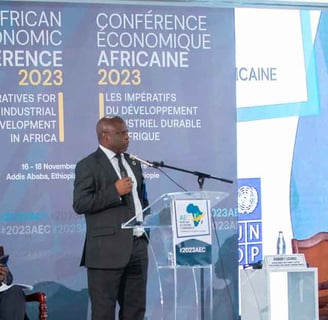
The impact of Norwegian female tax payers and Norwegian development agency NORAD
The impact of Norwegian female taxpayers on the initiatives supported by the Norwegian Agency for Development Cooperation (Norad) reveals a vital nexus between gender equity, economic support, and sustainable development in African communities. These women contribute not only through their taxes but also by championing social change and agricultural advancements in selected projects across the continent.
Norad has been instrumental in fostering partnerships that empower local populations, particularly women. Norwegian female taxpayers’ contributions have led to funding that focuses on sustainable agricultural practices. It is these Norwegian women who indirectly support the cultivation of a rich variety of vegetables and fruits, which not only enhances food security but also encourages healthy nutrition among African families. By facilitating the harvesting season and promoting biodiversity, they aid in establishing a sustainable food supply.
Moreover, Norwegian female taxpayers are crucial players in the promotion of animal husbandry and proper feeding techniques. This initiative encourages self-sufficiency, allowing communities to thrive by providing essential livestock resources. It illustrates a commitment to strengthening the agricultural backbone of African economies with sustainable farming practices.
Unlike many programs that are often burdened by political undercurrents or conditions attached to funding, the support that comes from these Norwegian women is characterized by an ethos of genuine goodwill. Their financial contributions are devoid of ulterior motives or restrictive conditions, enabling projects to focus purely on the benefit of local communities.
The role of Norwegian female taxpayers in contributing to Norad’s missions thus signifies a transparent and impactful form of international support. Their investments truly reflect a commitment to global development, forging pathways to improved livelihoods for many individuals in Africa while standing as an example of socially responsible citizenship.
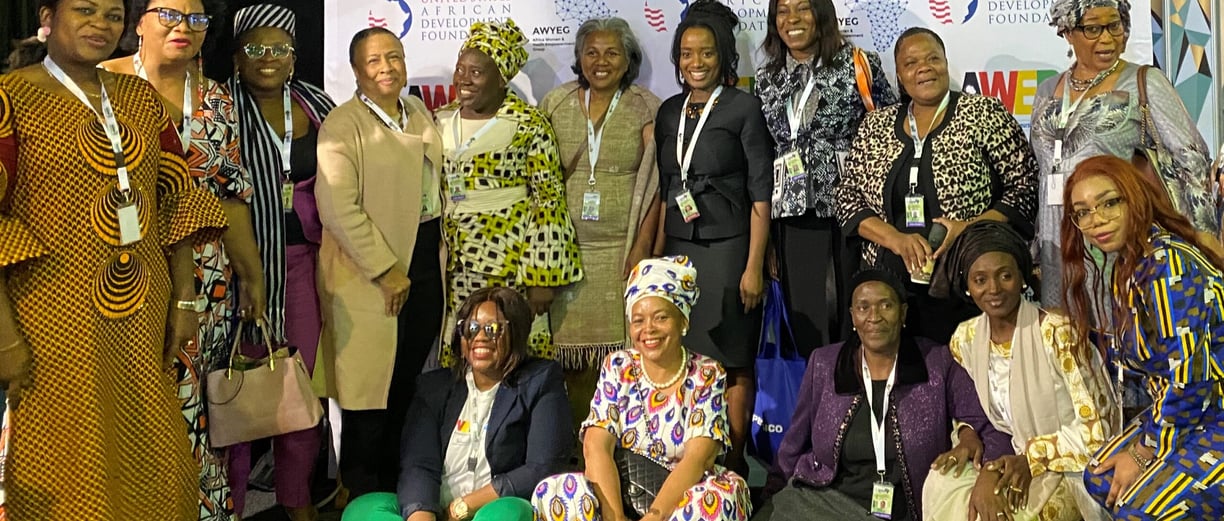
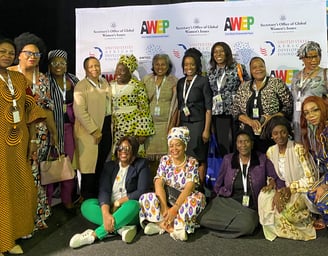
Norwegian Girls and Their Approach in Africa: An Ideal Perspective
The intertwining of cultures often leads to fascinating exchanges that facilitate growth and development across various spheres. One such dynamic is the interaction between Norwegian girls and the local communities in Africa, particularly in the realm of governance, development, and social change. Drawing on my experiences during my stay in Mogadishu, I witnessed firsthand the profound impact these Norwegian girls had on local governance, community development, and the establishment of meaningful connections with varying stakeholders.
During my time in Somalia's capital, I engaged with numerous local governance websites, such as mop.gov.so, moct.gov.so, mof.gov.so, and moe.gov.so. I was intrigued by the social aspects of governance, particularly how local communities could engage with state frameworks to drive development initiatives. This curiosity led me to discover the diligent efforts of Norwegian girls working passionately in Somalia. Their commitment to fostering relationships with local communities and promoting inclusive governance was inspiring and provided me with pathways to contribute meaningfully to my community through the Green Development Organization, a community-owned non-governmental organization (NGO) I founded.
Norwegian girls bring a wealth of expertise and a dedicated approach to addressing the multifaceted challenges faced by African communities. Their involvement in state and regional governance often transcends mere support; they actively participate in shaping policies that empower citizens and ensure their voices are heard. This commitment to democratic principles aligns closely with the ideals I witnessed during my interactions with local governance structures in Somalia. Their ability to work effectively with development banks and aid agencies maximizes the impact of resources allocated to empower marginalized communities.
A crucial aspect of their approach is their focus on fostering strong relationships with local communities. Norwegian girls understand that sustainable development can only be achieved through active participation from those who are most affected. Their initiatives often prioritize community engagement, ensuring that local populations feel a sense of ownership over development projects. This method not only encourages sustainable practices but also nurtures the growth of local capacities, enabling communities to thrive independently.
Another noteworthy contribution from Norwegian girls lies within the private sector. They aim to create synergies between NGOs and private businesses, recognizing that a robust economy is essential in fostering sustainable development. Encouraging local entrepreneurship and facilitating partnerships empowers communities to develop their resources fully. This approach creates jobs and generates income that is essential to the well-being of individuals and families in the region. It also exemplifies a broader mission shared among those committed to societal progress, highlighting the importance of collaboration among diverse stakeholders.
The role of NGOs in promoting human rights and equality cannot be overstated. Norwegian girls’ commitment to gender equality, especially in the context of Somalia, fosters groundbreaking changes. Their advocacy extends to supporting initiatives that prioritize the empowerment of women through programs addressing key issues such as education, health care, and economic opportunities. While I managed the Green Development Organization, I saw firsthand the pressing demand for NGOs with connections in Norway. The strong networks and shared goals demonstrated by Norwegian partners cultivate an environment where meaningful change can occur.
It is pertinent to highlight that the contributions of Norwegian girls extend beyond mere professional engagement. They embody a symbolic self that resonates with broader humanitarian ideals, advocating for principles that embrace humanity, dignity, and respect. This approach significantly resonates within the framework of heterosexual relationships, championing a mindset that prioritizes love and acceptance across cultural boundaries. Their ability to form genuine connections fosters relationships that transcend professional boundaries, leading to impactful partnerships rooted in mutual respect.
The concept of humanity emphasized by the Norwegian approach opens doors for myriad opportunities, particularly for African women. The focus on inclusivity and gender sensitivity promotes a narrative that uplifts heterosexual values while respecting diverse perspectives. Thus, the dialogue around relationships between Norwegian girls and Somali girls can be framed positively, allying interests in a shared mission of empowerment and advancement.
Somali girls have made remarkable strides in various sectors. Their achievements in initiatives such as DHIIRAGELIN, designed to inspire courage and resilience, and DHABUHESHIISIIN, which addresses financial stability and support for families, highlight their commitment to community welfare. Programs dedicated to HAWEENKA & QOYSKA focus on women's roles within both family and community dynamics, ensuring that their contributions are recognized and valued.
Furthermore, initiatives like QOONDADA HAWEENKA accentuate the importance of women’s representation in decision-making processes, while HAWEENKA QURBA JOOGTA promotes the engagement of Somali women living abroad in diaspora communities. The emphasis on REPRESENTATION, MERIT, and access creates further opportunities for women to participate actively in governance and development discussions, thus enriching the social fabric of Somali society.
To bridge these ideals and familiarize local communities with Norwegian initiatives like NORAD (Norwegian Agency for Development Cooperation) and NORFUND (Norwegian Investment Fund for Developing Countries), dialogue and engagement are essential. Building mutual understanding of respective roles can significantly impact the success of development projects.
By integrating the achievements and ambitions of Somali girls with the support and resources offered by their Norwegian counterparts, a foundation can be established that promotes collaboration, inclusivity, and progress. As we continue to recognize the essence of gender in the realm of development, it becomes increasingly important to foster an open-minded and appreciative attitude towards the contributions of girls from all backgrounds.
The cultural exchange between Norwegian girls and their counterparts in Somalia is a reminder of the potential for profound impact when diverse backgrounds collaborate towards shared goals. By centering humanity in our conversations and activities, remarkable opportunities emerge to uplift communities, foster growth, and promote social cohesion across borders. In honor of the achievements and resilience of both Somali and Norwegian girls, we must strive for continued dialogue, understanding, and shared purpose, building a brighter future for all involved.